
Membrane Waterproofing Systems in Mumbai
Sheet-applied barriers — torch-on bitumen, heat-welded thermoplastic and pre-applied HDPE for below-grade work. Atlanta Waterproofing & Protective System carries 4 systems in this category, selected by substrate, exposure and traffic rather than by habit. Each page below states when the system is right and when it is the wrong answer.
4 systems in this category
APP Membrane Waterproofing
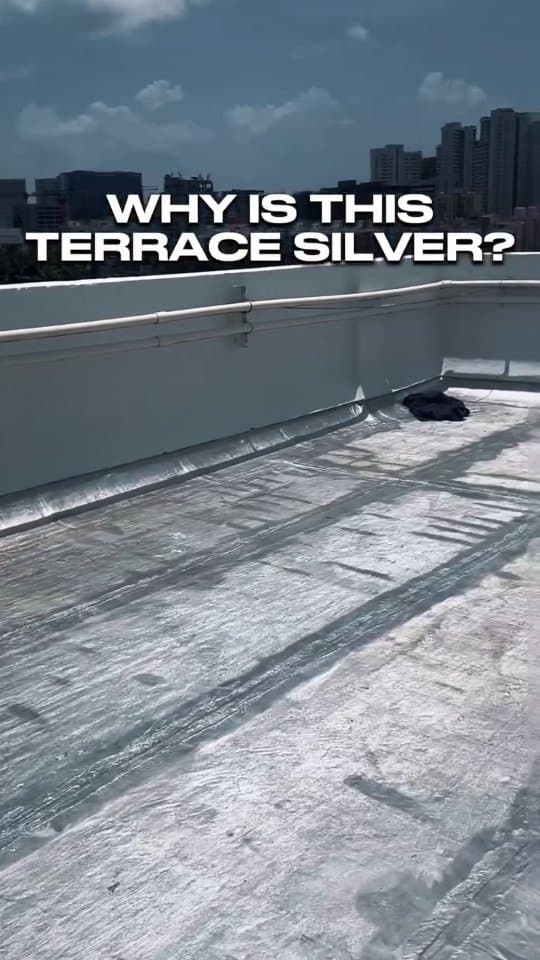
CoreAPP membrane is an atactic-polypropylene-modified bitumen sheet, torch-applied to a primed substrate with lapped and sealed joints. The APP modifier gives it a high softening point and good UV and heat resistance, which suits exposed Indian terraces.
IS 1346 · IS 3067
SBS Membrane Waterproofing
CoreSBS membrane is a styrene-butadiene-styrene-modified bitumen sheet. The SBS modifier makes it elastomeric, so it stays flexible and recovers after movement better than APP.
IS 1346 · IS 3067
HDPE Membrane Waterproofing
CoreHDPE membrane waterproofing uses a high-density polyethylene sheet, generally pre-applied below rafts and against retaining walls before concrete is poured. The key property is that fresh concrete bonds mechanically to the membrane's coated face, so water cannot track laterally between barrier and structure — the failure mode that defeats most loose-laid below-grade systems..
IS 3067 · IS 12200
TPO Membrane Waterproofing
CoreTPO is a single-ply thermoplastic polyolefin membrane whose seams are hot-air welded rather than glued, producing a homogeneous joint as strong as the sheet. Its reflective white surface reduces roof heat gain, and it is UV-stable enough for permanent exposure, which makes it well suited to large exposed roofs and cool-roof strategies..
IS 3067
Membrane Waterproofing Systems — at a glance
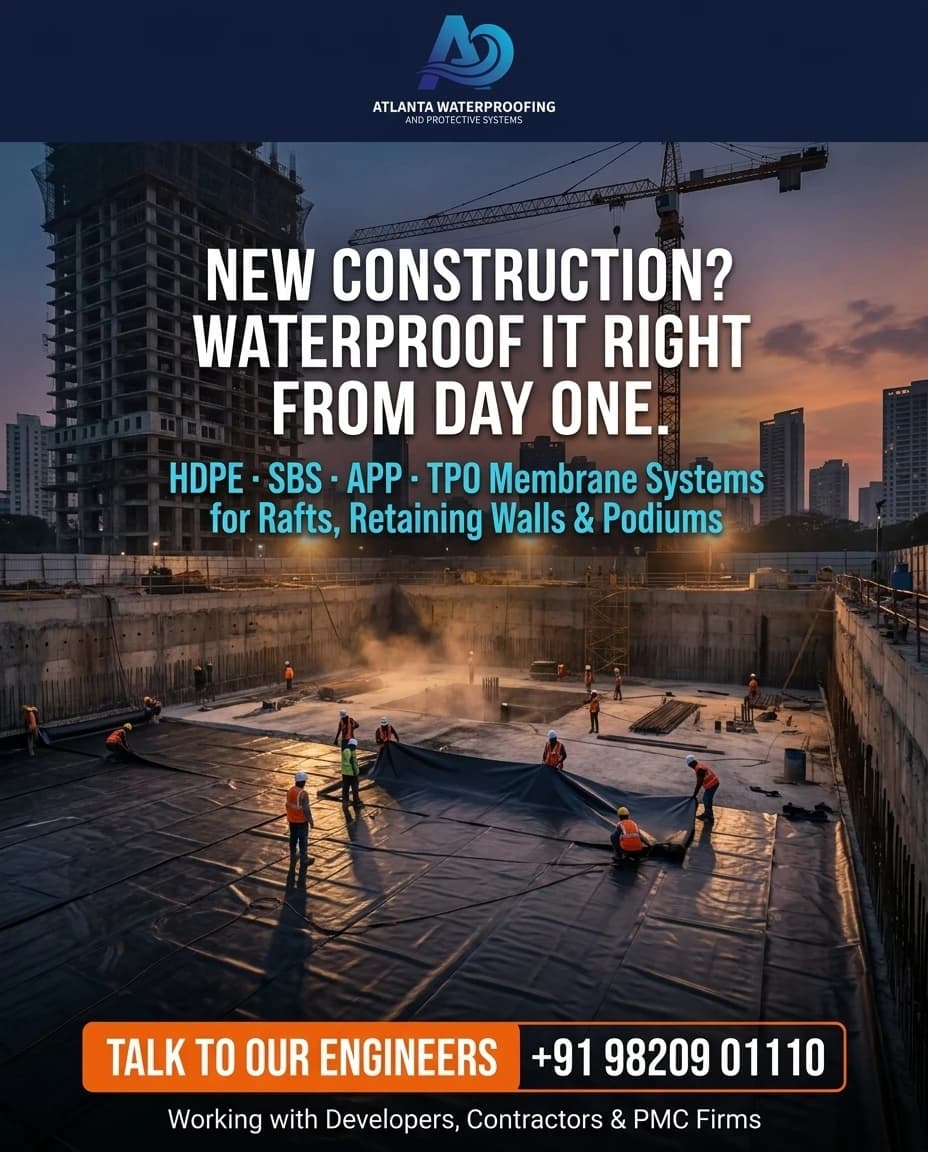
Tap a poster to WhatsApp us, or call +91 98209 01110.
Membrane Waterproofing Systems on site
@atlantawaterproof ↗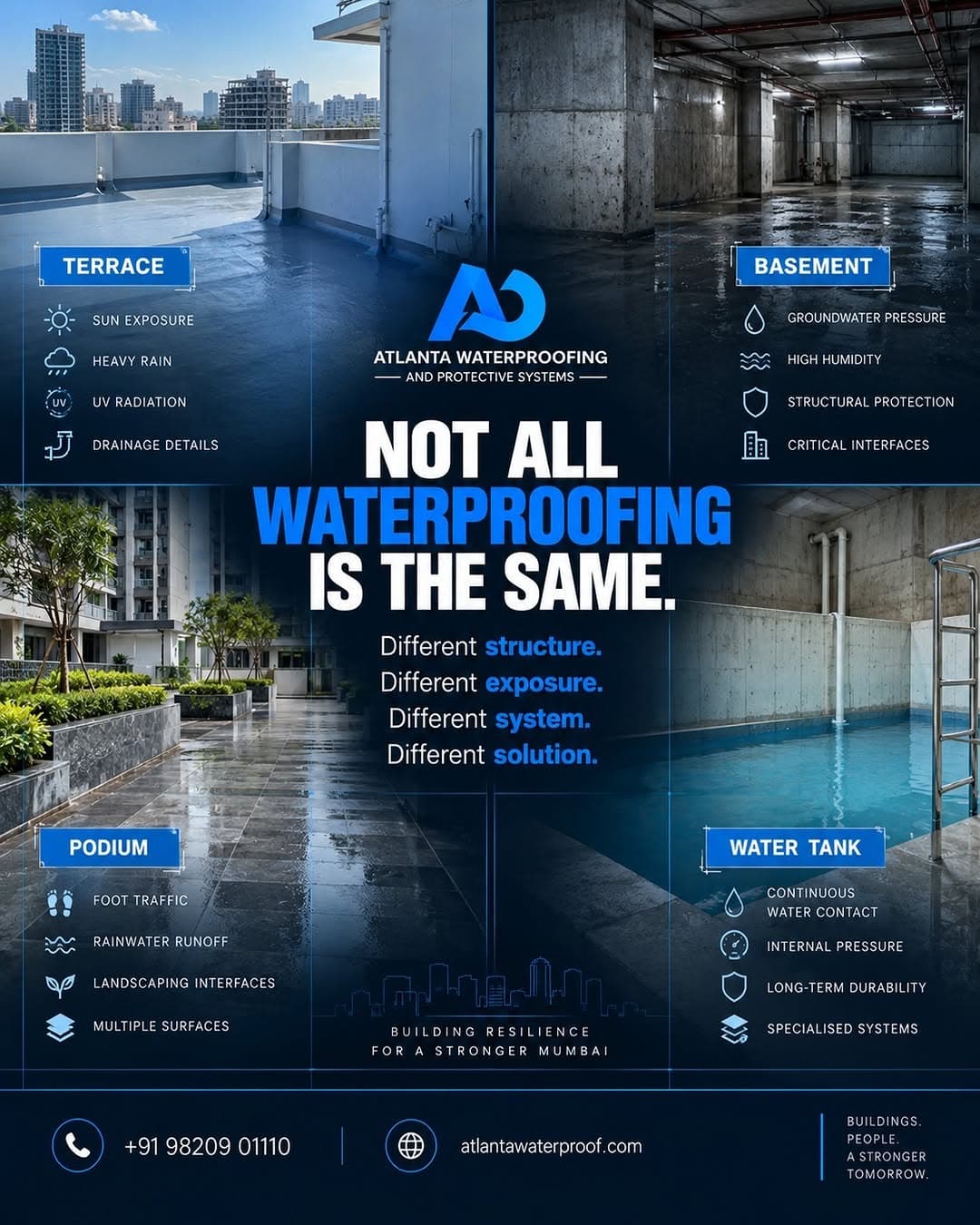
The rest of what we do
- SEC. 01 / COATINGSCoating & Protective Systems
Liquid-applied protective and decorative systems that form a continuous barrier over concrete, masonry and steel.
- SEC. 02 / TRADITIONALTraditional & Specialised Waterproofing
Time-proven Indian terrace systems and high-performance specialist linings, from brick bat coba to polyurea.
- SEC. 04 / AREAArea-Specific Waterproofing
System selection driven by where the water is: terrace, basement, wet area, tank, podium, lift pit, pool.
- SEC. 05 / GROUTINGLeakage Treatment & Grouting
Remedial injection and joint treatment that stops water already moving through a structure.
- SEC. 06 / FINISHINGFlooring & Finishing
Wearing surfaces and screeds that protect the waterproofing layer beneath and take the traffic.
- SEC. 07 / RESTORATIONStructural & Restoration Works
Concrete repair, structural strengthening and facade renewal for ageing and distressed buildings.
Frequently asked
How do I choose between the systems in membrane waterproofing systems?
Selection is driven by the substrate, the exposure, the traffic the surface will take, and whether the structure moves. Each system page below states plainly when that system is the right choice and — more usefully — when it is not. If you are unsure, a site inspection settles it in one visit.
Can these systems be combined?
Frequently, yes. Most real buildings need more than one: a terrace system with grouting to stop an active crack first, or a facade coating over repaired plaster. What matters is that the systems are chemically and mechanically compatible with each other and with the substrate.
Do you supply materials, or only apply them?
We supply and apply as a single scope, so responsibility for both material selection and workmanship sits in one place. Where a project specification names a particular manufacturer or product, we work to that specification.
Book the inspection. It costs nothing and it settles the argument.
An engineer visits, finds the actual source, and tells you what the building needs and why. You get a clear scope before any money is discussed.
Mon–Fri 08:00–18:00 · Sat 09:00–16:00 · Jogeshwari West